UEW Social Studies Department Holds Workshop on New B.Ed. Curriculum


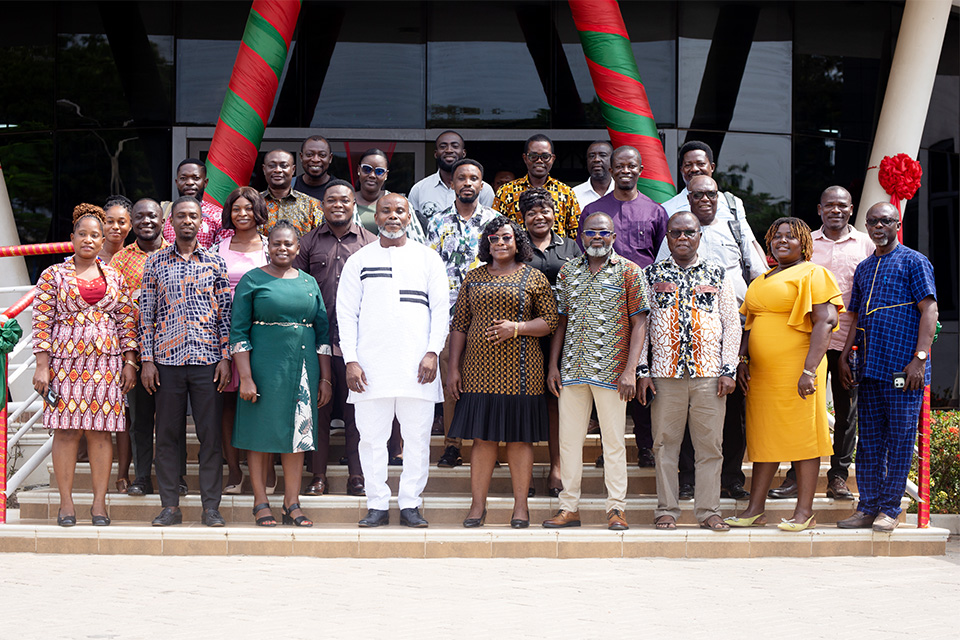
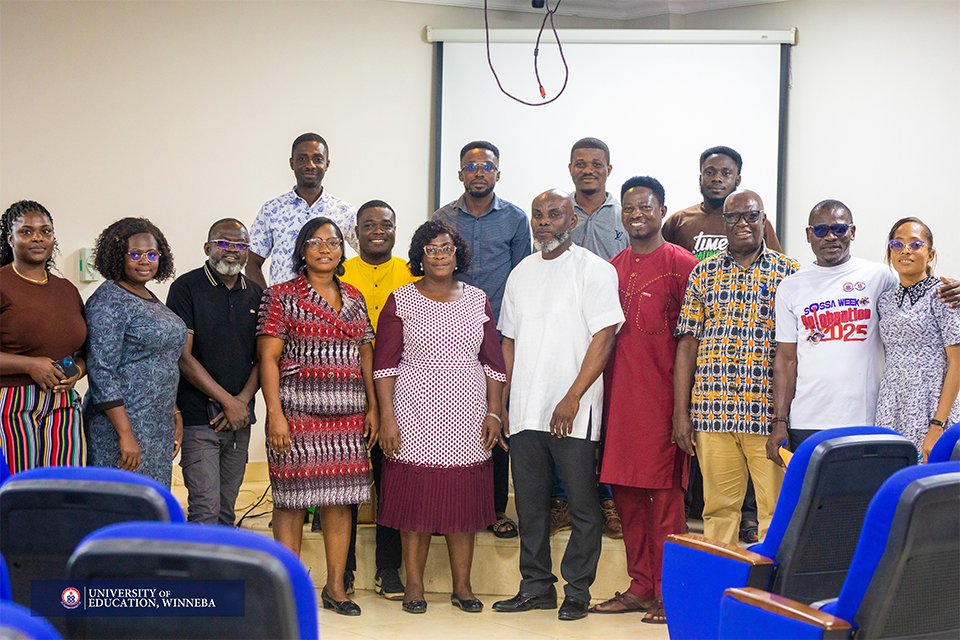
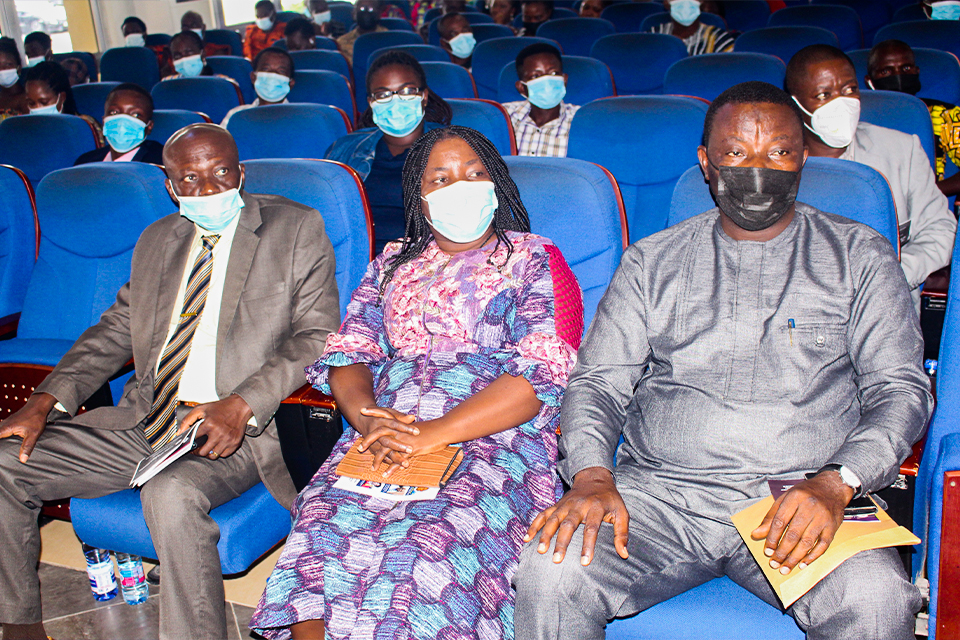
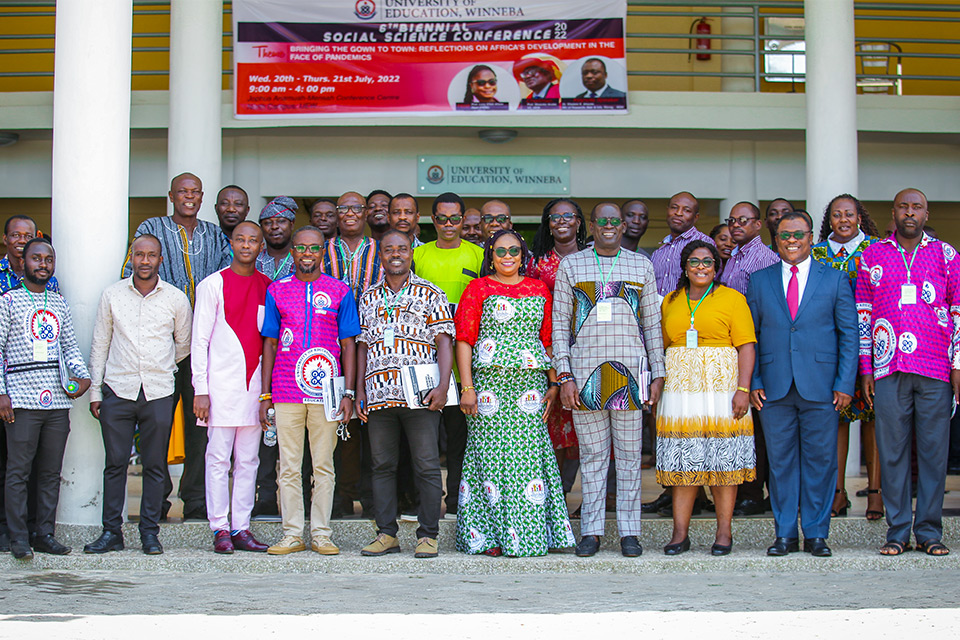
The Department of Social Studies Education at the University of Education, Winneba (UEW) on Monday, 12th January, 2026, organised a one-day workshop on the new Bachelor of Education (B.Ed.) Social Studies curriculum at the Students Centre Seminar Room III.
The workshop aimed to equip faculty members with the knowledge and pedagogical strategies required for effective implementation. It brought together lecturers from the Department and other key faculty stakeholders to deliberate on curriculum content, pedagogy, assessment strategies and cross-cutting issues embedded in the revised curriculum. The engagement forms part of UEW’s broader efforts to align teaching and learning with national teacher education reforms and 21st-century skills development.
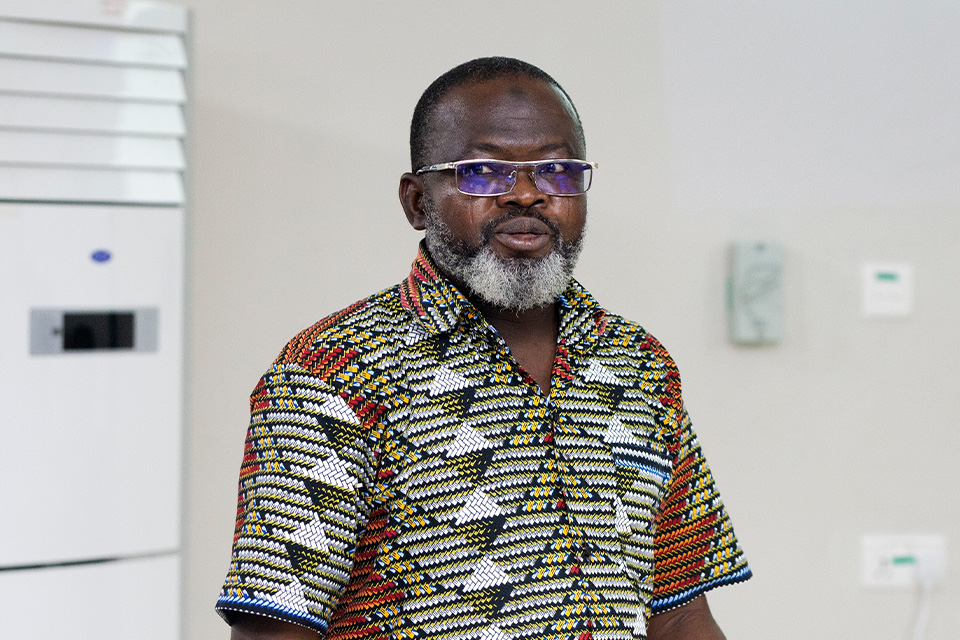
Dr. Mohammed Adam, Senior Lecturer and Graduate Coordinator of the Department of Social Studies, presented an overview of the new B.Ed. Social Studies curriculum. He underscored the need for lecturers to consciously adapt their teaching approaches to meet the demands of the revised curriculum. He noted that while many lecturers already apply some modern teaching principles intuitively, deliberate alignment with curriculum expectations is needed.
Dr. Adam emphasised that, regardless of the specific course being taught, lecturers must integrate cross-cutting issues such as critical thinking, digital literacy, gender equity, social inclusion and social-emotional learning which are already embedded in the curriculum. According to him, effective delivery of the new curriculum requires the purposeful use of appropriate pedagogical and assessment strategies.
He cautioned against practices that may inadvertently marginalise students, stressing the importance of cultural sensitivity and inclusive classroom environments. Drawing on practical experience, he highlighted how language use and lecturer conduct can affect students’ sense of belonging and participation.
Regarding assessment, Dr. Adam explained that the curriculum places strong emphasis on continuous assessment, summative assessment and the use of e-portfolios. He indicated that students are expected to build e-portfolios from Year One through to Year Four, alongside action research components, in line with the National Teacher Assessment Policy.
He also highlighted the need for strict alignment between course objectives and the National Teacher Standards which focus on professional values and attitudes, professional knowledge and professional practice. He encouraged lecturers to draw on diverse teaching resources, including digital platforms, assistive technologies and guest speakers to enrich learning experiences.
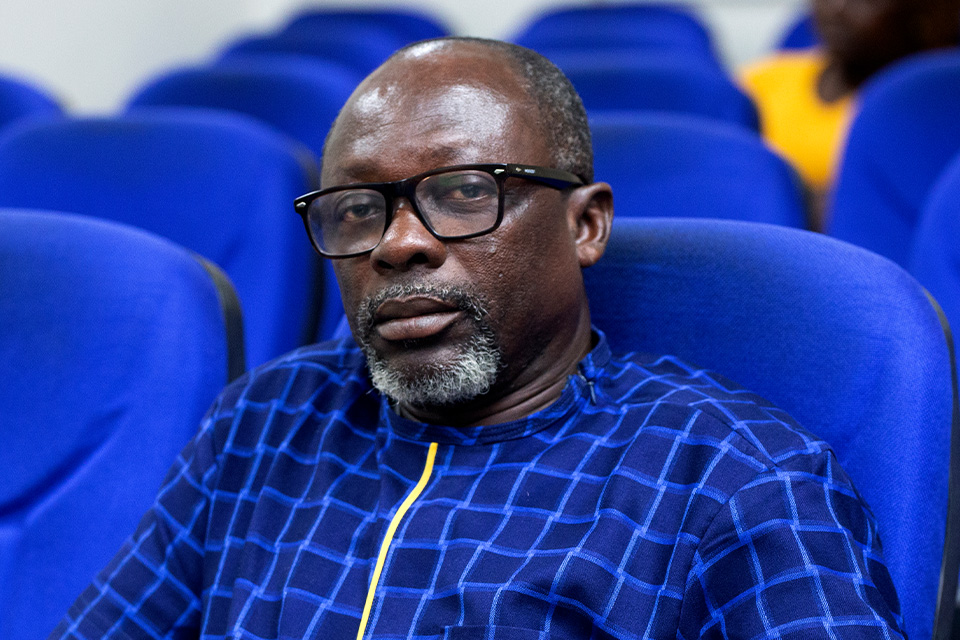
Following the presentation, Prof. Alfred Kuranchie, Deputy Director of the Directorate of Research, Innovation and Development (DRID) led an open discussion session that allowed participants to interrogate key aspects of the curriculum and share practical concerns regarding implementation. The interactive session provided a platform for lecturers to seek clarification, exchange ideas and reflect on how best to adapt their teaching strategies to the new curriculum requirements.
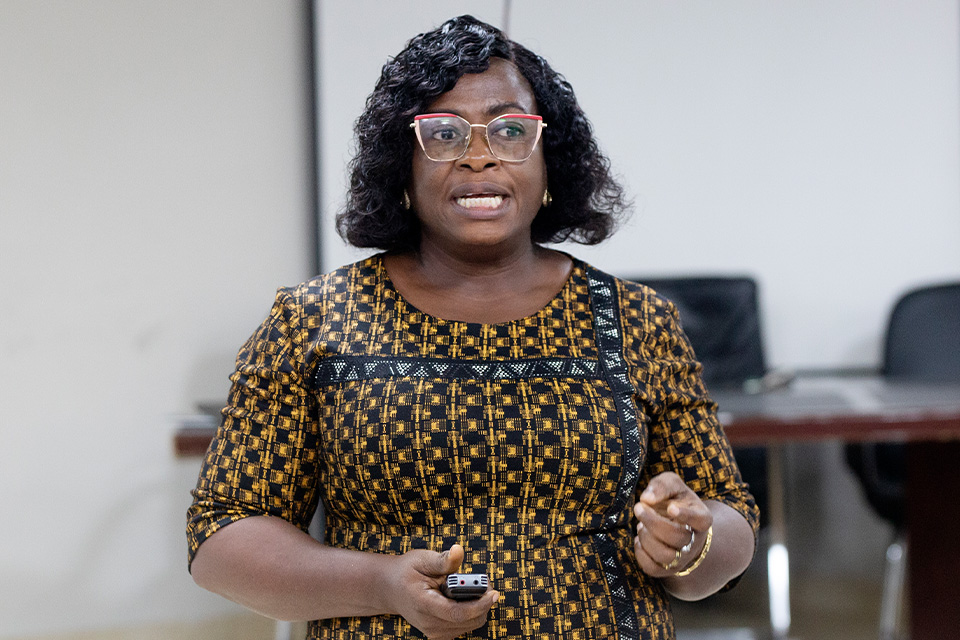
Prof. Lucy Effeh Attom, Dean of the Faculty of Liberal and Social Studies Education, later addressed participants, clarifying the distinctions between the B.Ed. Social Studies Education and the BA Social Studies Education programmes. She explained that while the B.Ed. programme places strong emphasis on pedagogy, curriculum development, classroom management and educational psychology, the BA programme retains its educational foundation while offering students flexibility to pursue diverse career pathways beyond teaching.
Prof. Lucy Attom noted that, because the Ghana Education Service does not absorb all graduates, it is important for the BA programme to equip students with transferable skills that enhance employability while still qualifying them for teaching where applicable.
She disclosed that implementation of the new curriculum had already commenced following enrolment processes, adding that although initial student numbers for the B.Ed. programme were relatively small, the University had resolved to teach B.Ed. and BA students together. According to her, this decision has implications for curriculum content delivery, pedagogy and assessment and therefore demands careful planning by lecturers.
She stressed the need for lecturers to familiarise themselves with the new curriculum documents, teaching methods and assessment modes and announced plans for departmental workshops to further build staff capacity, particularly in managing large classes and integrating 21st-century skills.
Prof. Lucy Attom identified curriculum content, pedagogy and assessment as the three key areas requiring attention, urging lecturers to adopt project-based and research-oriented assessments that promote collaboration, critical thinking and community engagement.
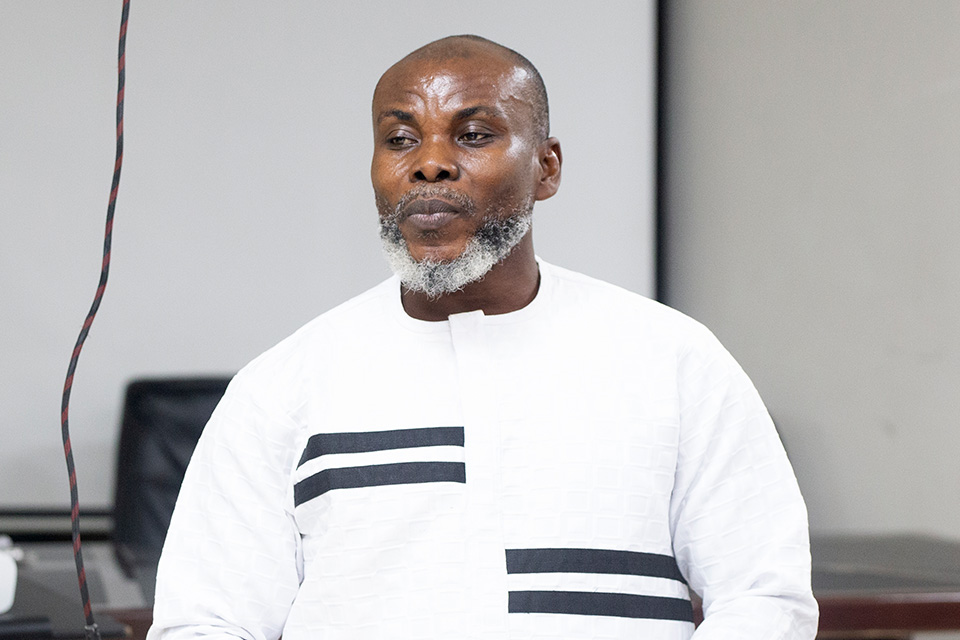
In his remarks, Prof. Isaac Eshun, Head of the Department of Social Studies Education, commended the presenters for their insightful and thought-provoking contributions, describing the workshop as timely and intellectually stimulating.
He reiterated the Department’s commitment to continuous professional learning and announced that a follow-up workshop as part of the Department’s Professional Learning Community activities would be held on Wednesday, 28th January, 2026, at 1:00 p.m., to further deepen understanding of the curriculum and its implementation.
Prof. Eshun encouraged subject leads and faculty members to engage in continuous dialogue to ensure that insights from the workshop translate into improved teaching practices and enhanced student learning outcomes.
The workshop forms part of UEW’s ongoing commitment to strengthening teacher education and ensuring that graduates of the University are well-equipped with the knowledge, skills and values required to thrive in contemporary educational and professional environments.