UEW Researchers Present Findings on CEAC-Ghana Project in Axim


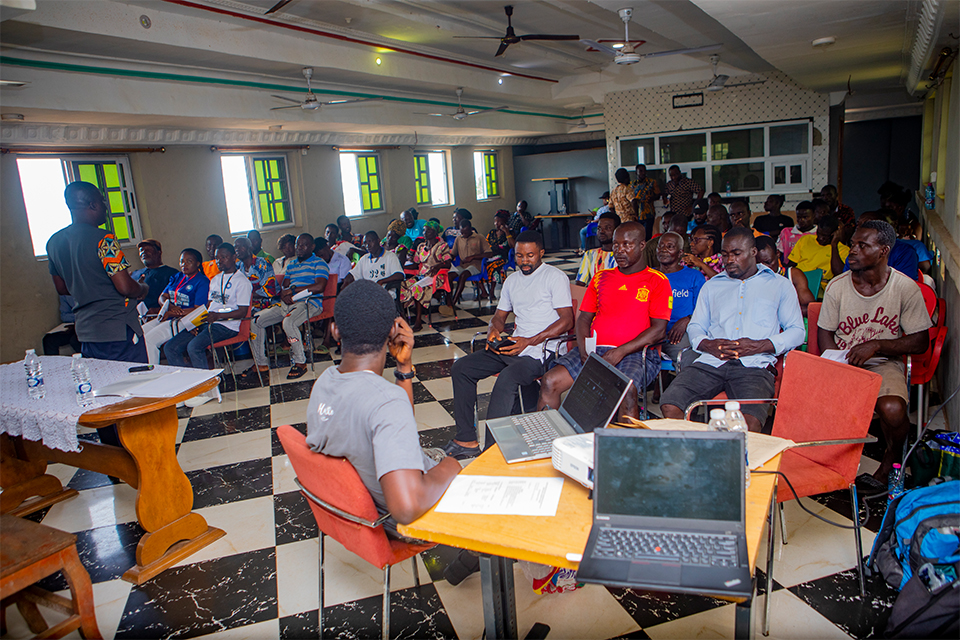
A team of researchers from the University of Education, Winneba (UEW) has organised a dissemination workshop to share findings and recommendations from their project on Climate Change Education, Awareness and Communication among Coastal Fisherfolk in Ghana (CEAC-Ghana).
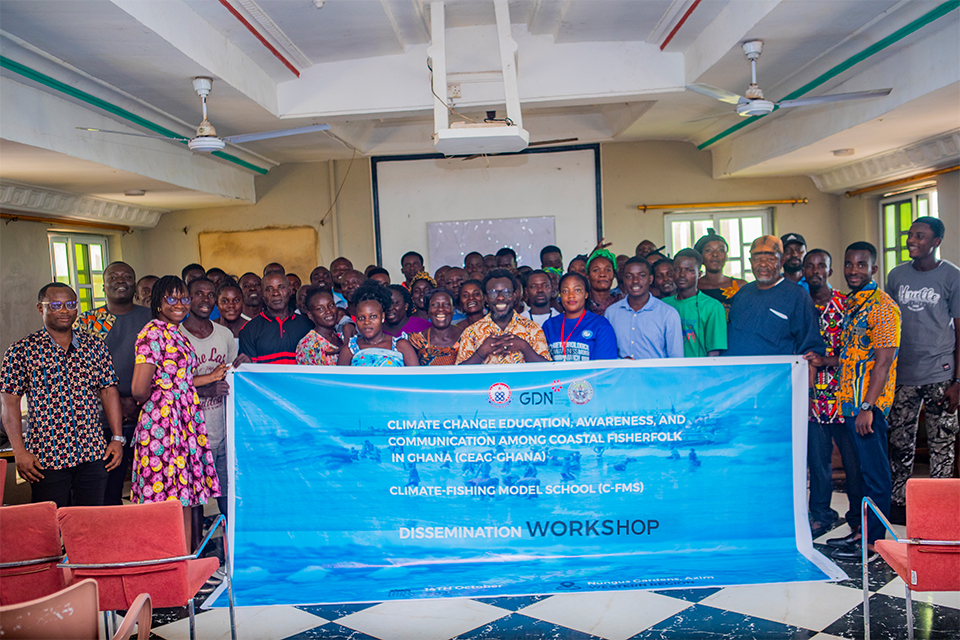
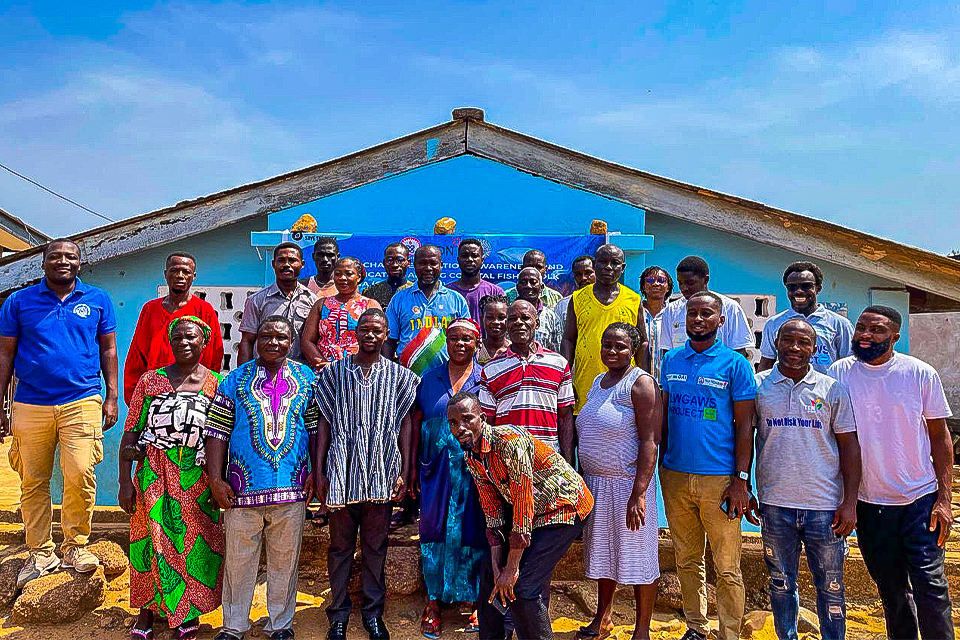
The workshop, held at Nungu Gardens in Axim, Western Region, on Tuesday, 14th October, 2025, brought together participants from the Brewire and Amanfukumanu fishing communities, government agencies and local stakeholders to discuss project outcomes and chart a path towards sustainable, community-based climate adaptation practices.
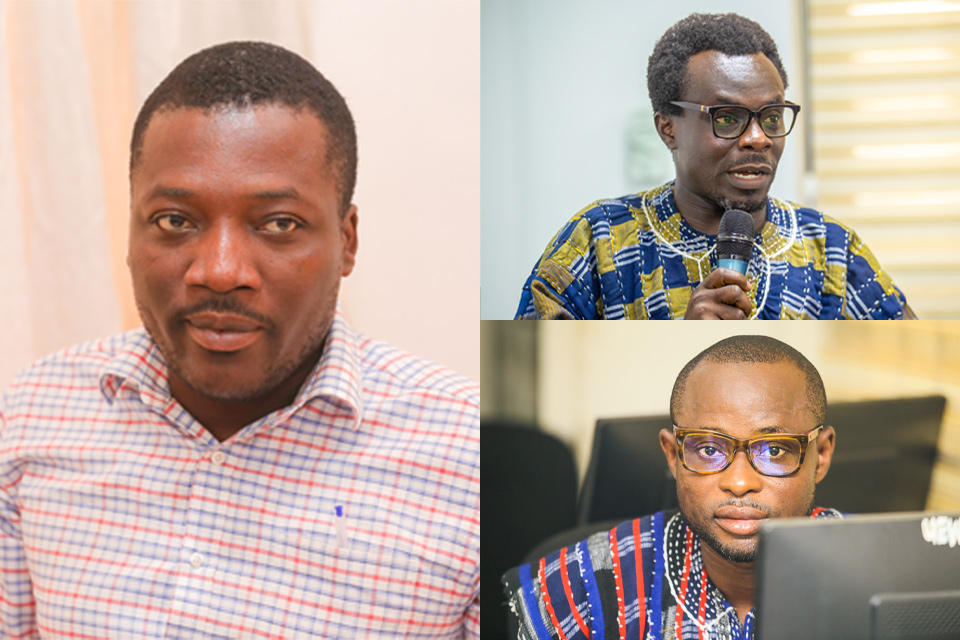
The research team consisted of Dr. Victor Owusu (Project Lead), Dr. Raphael Ane Atanga, Dr. Yaw Asamoah and Dr. Jemima Etornam Kassah (co-opted member), all from UEW. The project, which won third place in the Japanese Award for Outstanding Research on Development at the 2023 Global Development Awards Competition (GDAC) organised by the Global Development Network (GDN), focuses on empowering fishing communities through locally grounded research, education, and communication strategies addressing climate change. The GDN and the Ministry of Finance of the Government of Japan, under the GDAC, provided financial support for the project.
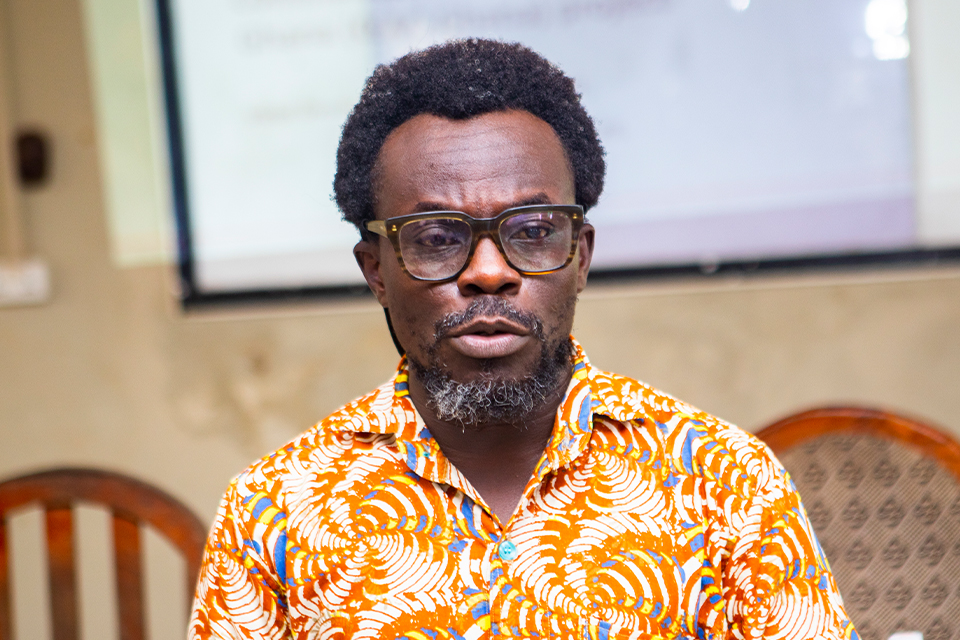
In his purpose of gathering address, Dr. Yaw Asamoah explained that the dissemination workshop formed part of the research requirement to engage communities on project outcomes. He recounted how the team’s proposal on climate change awareness among fisherfolk stood out in a highly competitive international selection process.
“We are here to disseminate the findings of our project on climate change education, awareness and communication among coastal fisherfolk in Ghana,” he said. He further commended the Brewire and Amanfukumanu communities for their openness and collaboration throughout the project implementation phase, which began in 2024.
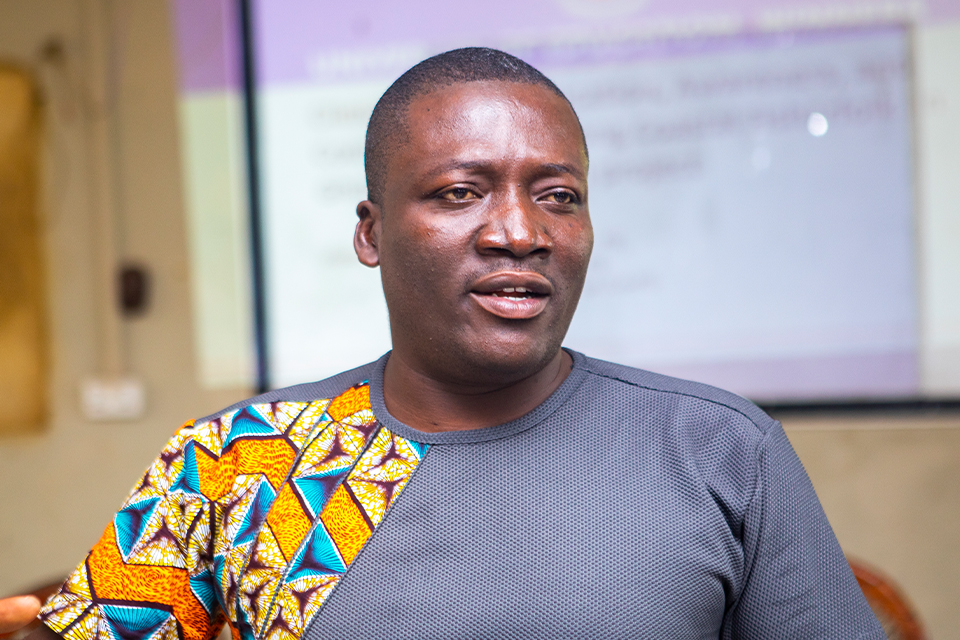
Delivering a presentation on the project findings, Dr. Victor Owusu, the project lead, elaborated on the Climate-Fishing Model School (C-FMS) concept which served as the central strategy for implementing the project. The C-FMS model created an interactive learning platform through which fisherfolk were trained on climate change awareness, marine forecasting, financial management and alternative livelihood opportunities such as fish farming.
According to Dr. Owusu, Ghana’s fisheries sector contributes about 4.5% to the national GDP and supports the livelihoods of approximately 3.2 million people, providing nearly 60% of the country’s protein intake. However, he noted that the sector faces severe threats from climate change including rising sea levels, unpredictable weather patterns and declining fish stocks.
“Our Climate-Fishing Model School has proven to be a useful and participatory medium for climate change education. It is strengthening the capacity of fisherfolk to adapt and mitigate the impacts of climate change for sustainable fisheries and livelihoods,” he stated.
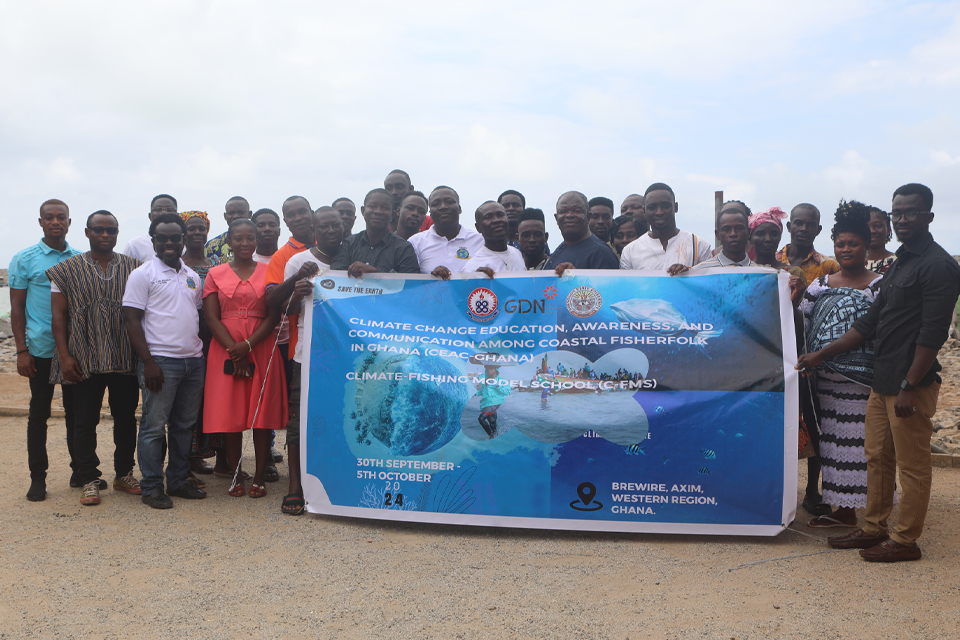
Dr. Owusu disclosed the establishment of two model schools in Brewire (October 2024) and Amanfukumanu (March 2025), where 60% of the participants were male and 40% were female. The schools employed diverse teaching methods including manuals, slides, videos, discussions and practical examples which made learning participatory and effective. Participants reportedly gained valuable knowledge in marine forecasting, financial management in fisheries and sustainable aquaculture practices.
He emphasised that one of the critical outcomes of the project was the fisherfolk’s enhanced understanding of weather and marine information dissemination. The research recommended closer collaboration between the Ghana Meteorological Agency (GMet) and community fishing leadership to ensure that weather and marine information are shared consistently. Dr. Owusu further suggested the promotion of a USSD-based early warning system as an official supplementary safety tool for the district alongside the enhancement of the existing flag-based warning system.
In concluding his presentation, Dr. Owusu observed that the C-FMS had proven to be an innovative and effective model for building the adaptive capacity of coastal fisherfolk. He noted that sustaining the initiative would require a deliberate effort to integrate research-based learning into local fishing practices. He therefore called for the continuous promotion of the Fishing Model School approach as a long-term framework for climate change education within fishing communities.
Dr. Owusu also underscored the value of strengthening stakeholder collaboration among key institutions such as the GMet, the Ministry of Fisheries and Aquaculture Development and the fisherfolk associations to ensure the seamless flow of climate and marine information. Additionally, he advocated for the development of microcredit schemes and livelihood support interventions to empower fisherfolk economically and enhance their resilience to the impacts of climate change.
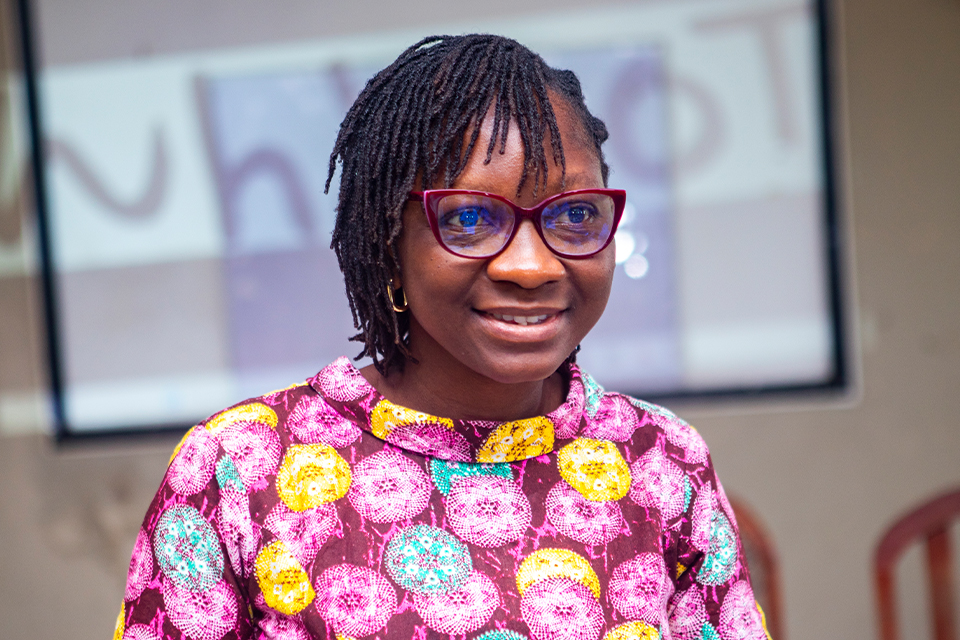
Dr. Jemima Etornam Kassah’s presentation on fish farming further encouraged participants to explore aquaculture as a viable alternative livelihood option to reduce overdependence on marine fishing and promote sustainability.
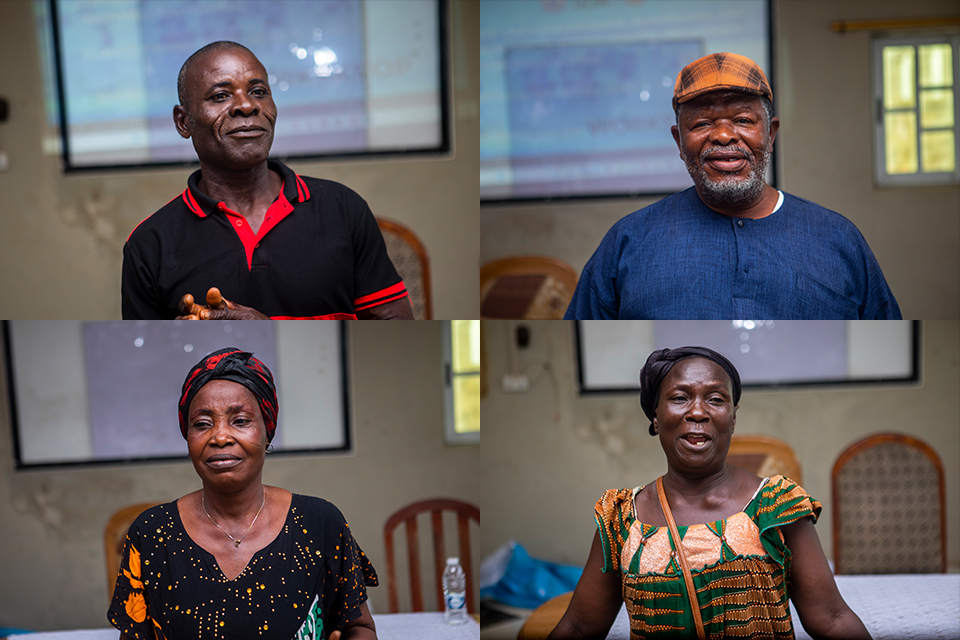
The workshop also featured short speeches by the chief fishermen of Brewire and Amanfukumanu who expressed appreciation to the UEW research team for their community-focused engagement and the practical relevance of the training. They described the project as an eye-opener that has transformed their understanding of weather information and fishing safety.
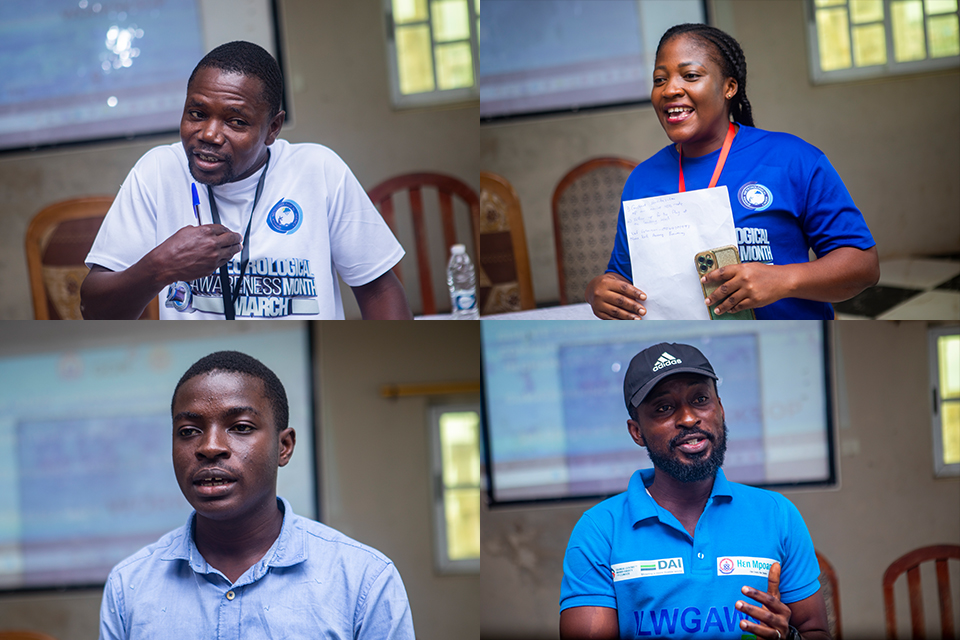
Government stakeholders including representatives from the National Disaster Management Organisation (NADMO), the GMet, the Nzema East Municipal Assembly and the Fisheries Commission, commended the UEW research team for bridging research and community development. They pledged their support to help the communities adopt the project’s recommendations.
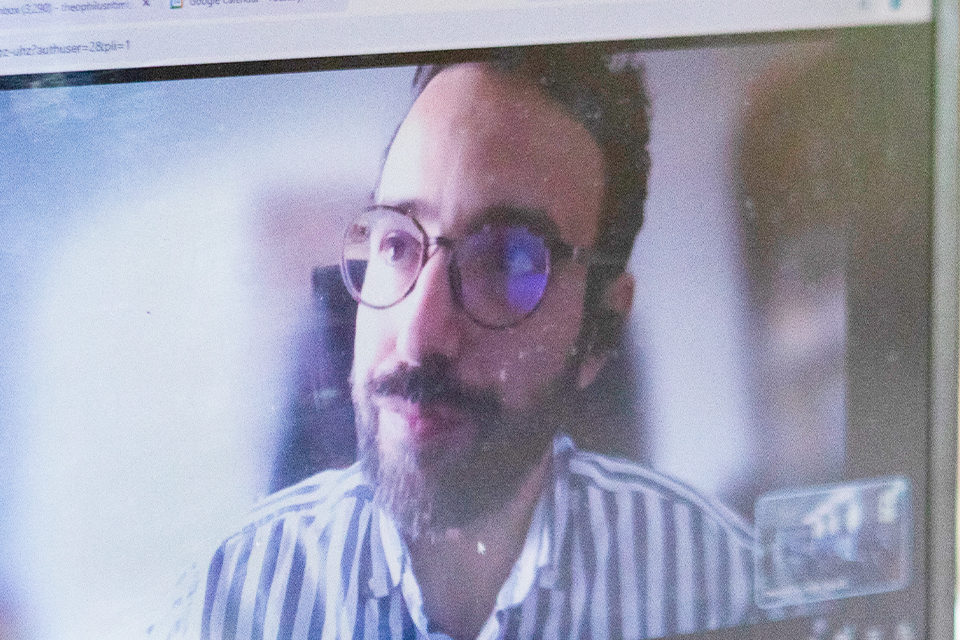
In a goodwill message, Mr. Joao Costa, Senior Programme Manager for Programmes and Partnerships at the Global Development Network (GDN), applauded the UEW team for their exceptional achievement and dedication.
The event concluded with an open forum facilitated by Dr. Asamoah which allowed participants to ask questions and share suggestions for future projects. Dr. Owusu announced the formation of a community task force drawn from both Brewire and Amanfukumanu to oversee the implementation of the project’s recommendations and ensure sustainability.
The dissemination workshop reaffirmed UEW’s growing reputation as a research-led institution committed to generating and applying knowledge that addresses pressing developmental and environmental challenges in Ghana and beyond.