DECE-UEW Hosts Innovation Conference


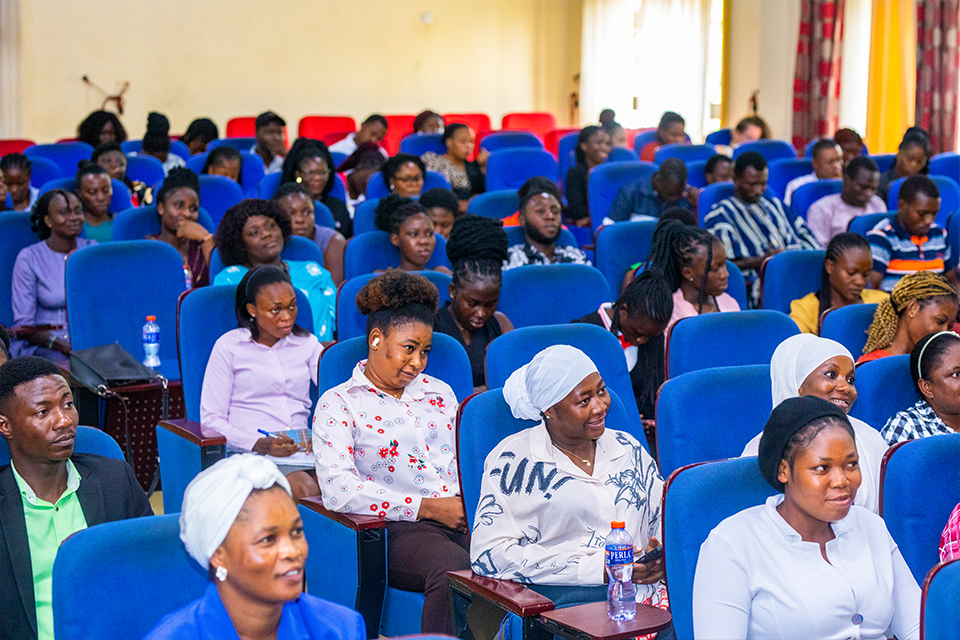
The Department of Early Childhood Education (DECE) at the University of Education, Winneba (UEW) held its annual conference on the theme “Innovation, Inclusion, and Impact: The Power of Early Childhood Education.”
The conference, held with a central focus on “Early Childhood Education: A Key to Breaking the Cycle of Poverty,” brought together faculty, students and experts to share practical strategies for leveraging early childhood education to drive social and economic transformation. It took place at the North Campus Mini-Conference Room on Monday, 11th August, 2025.

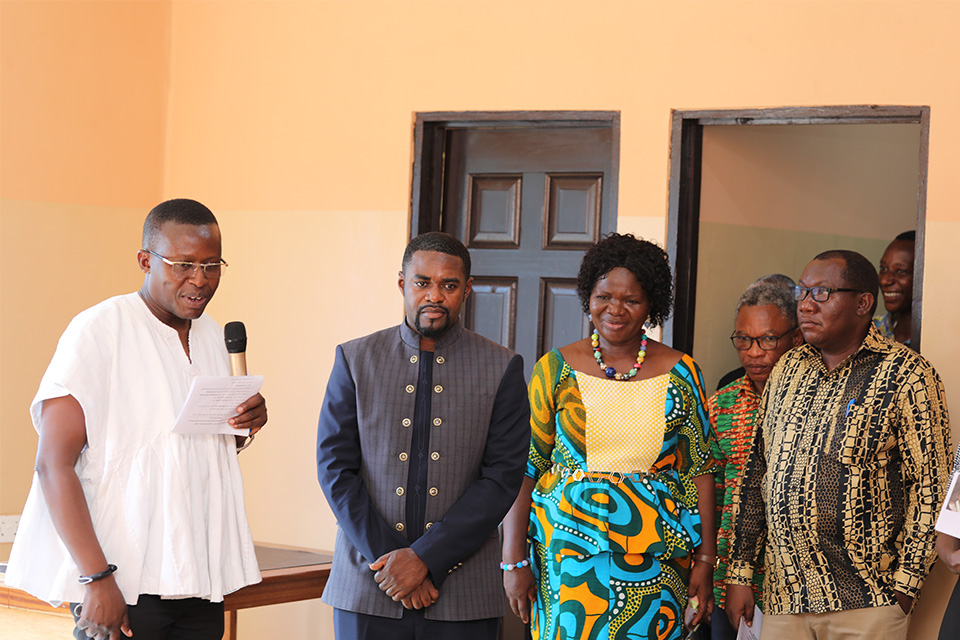
Prof. Michael Subbey, Director of the Institute for Teacher Education and Continuing Professional Development (ITECPD) and former Head of DECE, highlighted the department’s growth since its inception in 2004, noting its unique resources, including UEW’s only demonstration school. “We have grown from grace to grace; others want to imitate us because of what we have achieved,” he said, urging participants to embrace the conference as an interactive platform for transformative ideas.
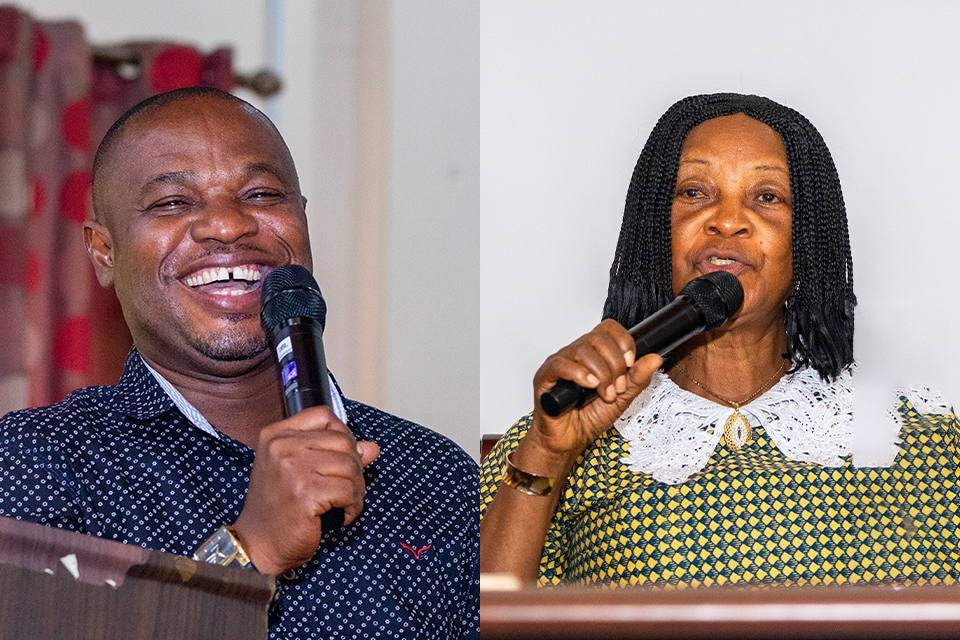
Panel discussions, moderated by Mr. Emmanuel Owusu, lecturer at DECE, explored diverse dimensions of early childhood education’s role in poverty reduction, career opportunities, entrepreneurship and advocacy. Dr. Praise Otami stressed that holistic child development, encompassing cognitive, affective and psychomotor aspects, lays a lifelong foundation for personal and community advancement. “Learning begins from the womb,” she said, underscoring the importance of early exposure to life skills and values such as financial literacy, sharing and empathy.
Contributing to the discussion, Prof. Subbey urged educators to serve as role models and explore professional development opportunities while Mr. Samuel Ziggah cautioned against limiting teaching to academics alone, emphasising talent development in sports, arts and other skills that can generate economic opportunities. Mr. Justice Adjerakor encouraged practitioners to address not only financial poverty but also poverty of knowledge, affection, and skills by initiating community-based learning programmes, developing teaching and learning resources and seeking grant funding for impactful projects.
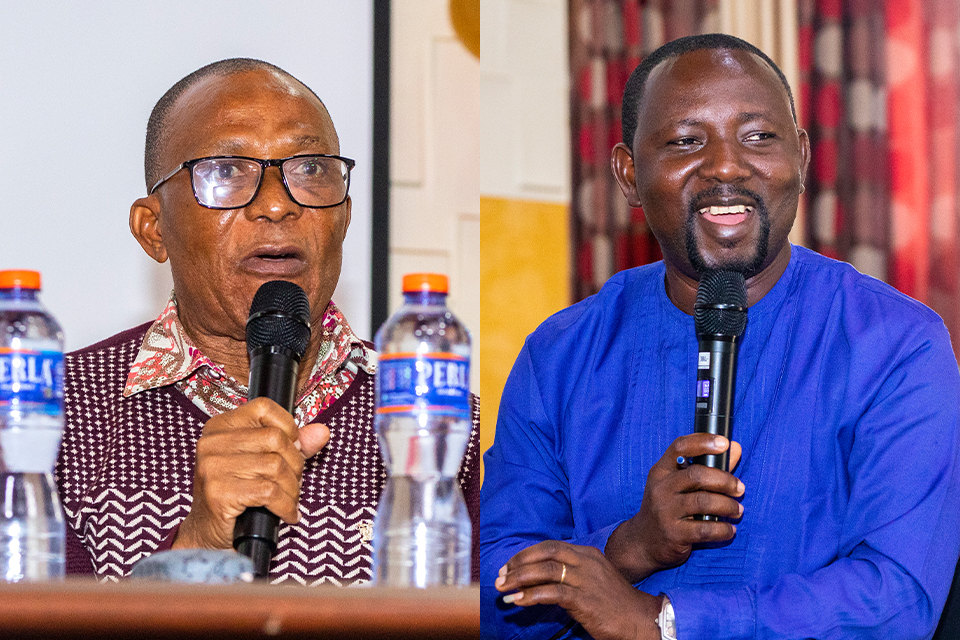
The conference also spotlighted non-classroom career prospects in early childhood education. Speakers urged participants to explore digital resource creation, NGO work, children’s nutrition enterprises, consultancy and private school ownership. “You are not trained for Ghana alone. Think globally,” Mr. Ziggah advised, challenging students to expand their horizons beyond local classrooms.
Advocacy emerged as a key theme, with panellists urging future educators to identify specific child-related issues, gather data, propose solutions and work with stakeholders, NGOs and policymakers to influence change. Networking and parent empowerment were also highlighted as critical to professional success with speakers sharing personal stories of how relationship-building opened doors to career opportunities.

Closing the session, Mrs. Justina Adu, Head of DECE, reinforced the value of collaboration, urging students to view peers, parents and community members as partners in educational transformation. “God has brought us together for a reason. “Do not be islands in a network,” she said.
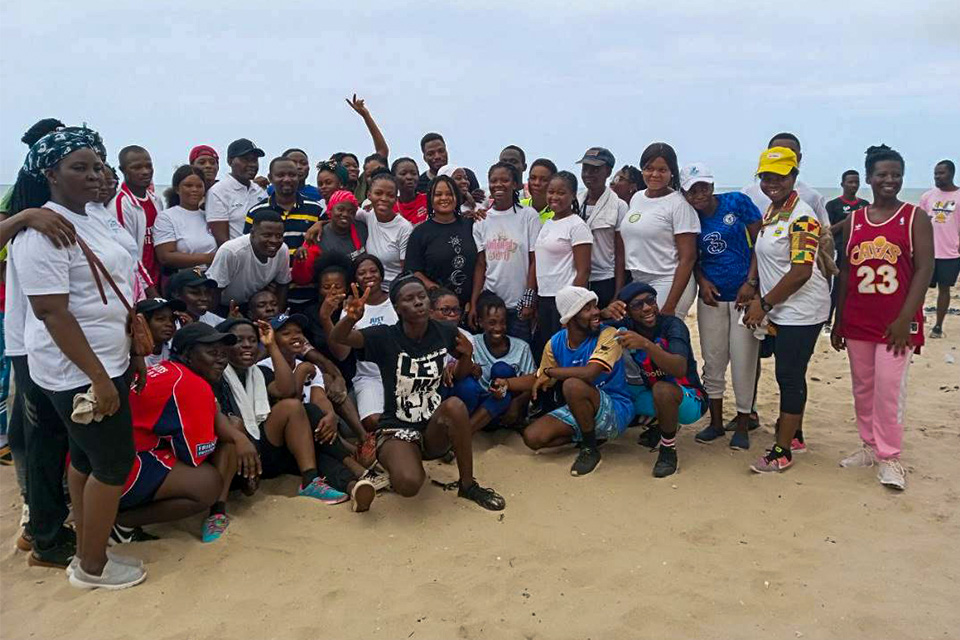
The conference formed part of a week-long celebration by the DECE, reaffirming UEW’s leadership in shaping innovative, inclusive and impactful educational practices that extend beyond classrooms into communities.