SGS-UEW Enhances Research Capacity Through Methodology Workshop


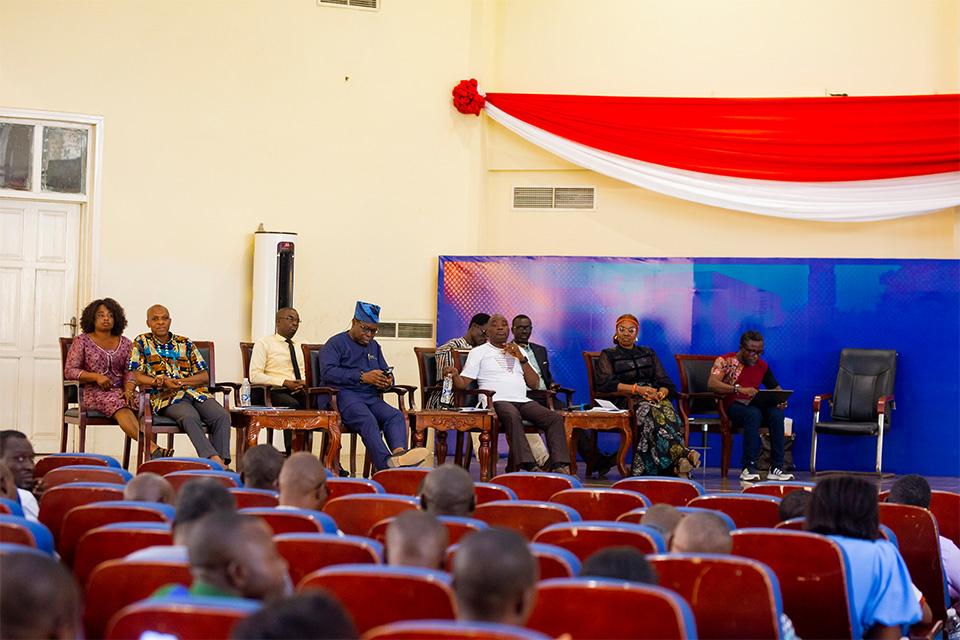
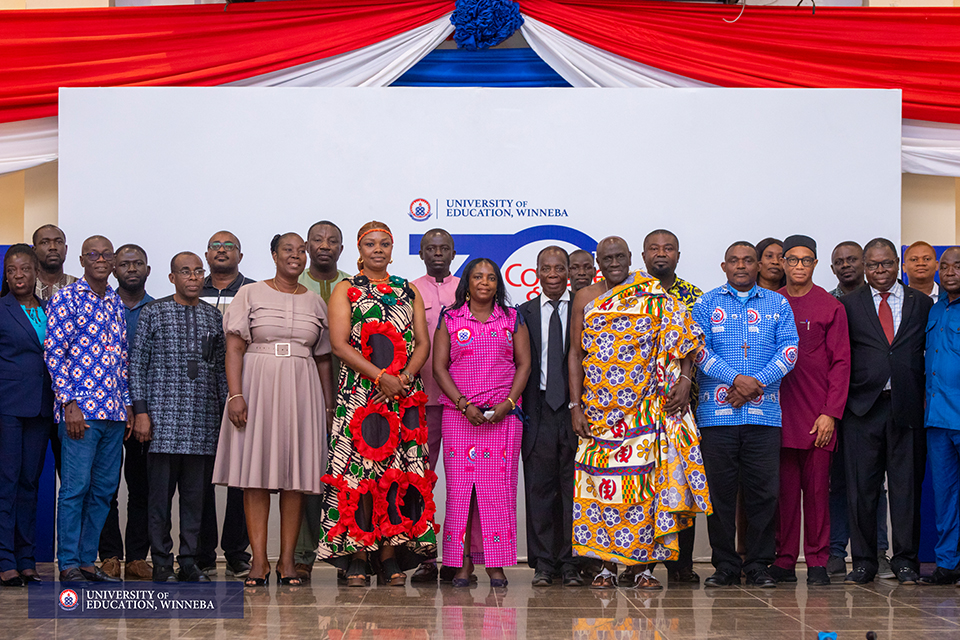
The School of Graduate Studies (SGS) at the University of Education, Winneba (UEW) has held a comprehensive capacity-building workshop to strengthen graduate students’ competence in research methodology, theoretical framing and scholarly writing.
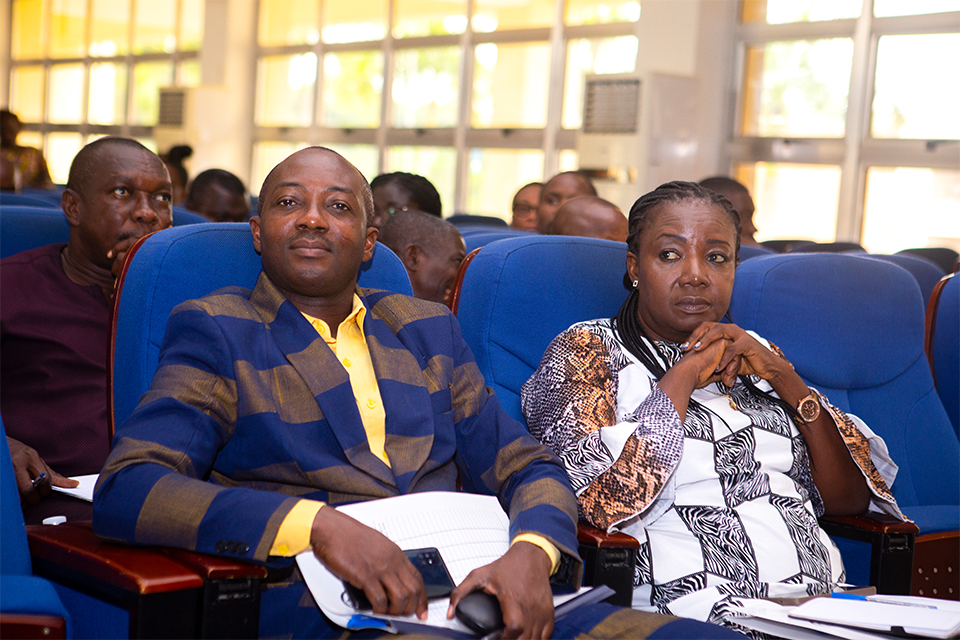
The multi-session academic engagement which took place at the Jophus-Anamuah-Mensah Conference on Wednesday, 21st January, 2026, brought together seasoned scholars and research experts who shared practical insights on advanced research methods, sampling techniques, theoretical frameworks and effective presentation of findings to support high-quality postgraduate research at UEW.
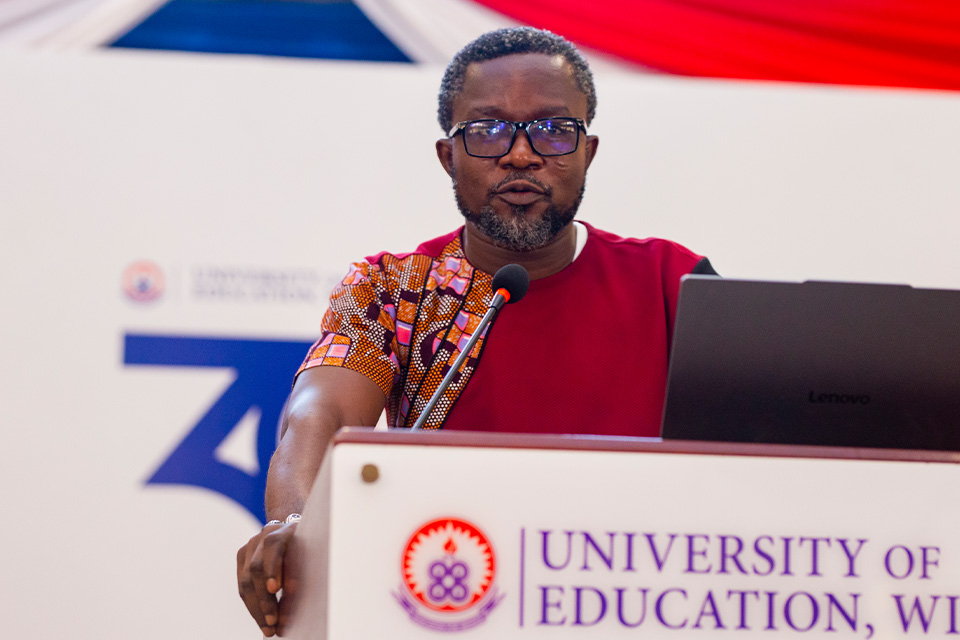
Prof. Akwasi Kwarteng Amoako-Gyampah, the Vice-Dean of SGS, who delivered the opening presentation, underscored the centrality of a well-structured literature review and a clearly articulated theoretical framework to the success of postgraduate theses. He noted that literature reviews are not merely descriptive exercises but critical scholarly engagements that situate research within existing knowledge while justifying new enquiry. According to him, postgraduate students must adopt a systematic and reflective approach in selecting and integrating theories that align with their research problems and objectives.
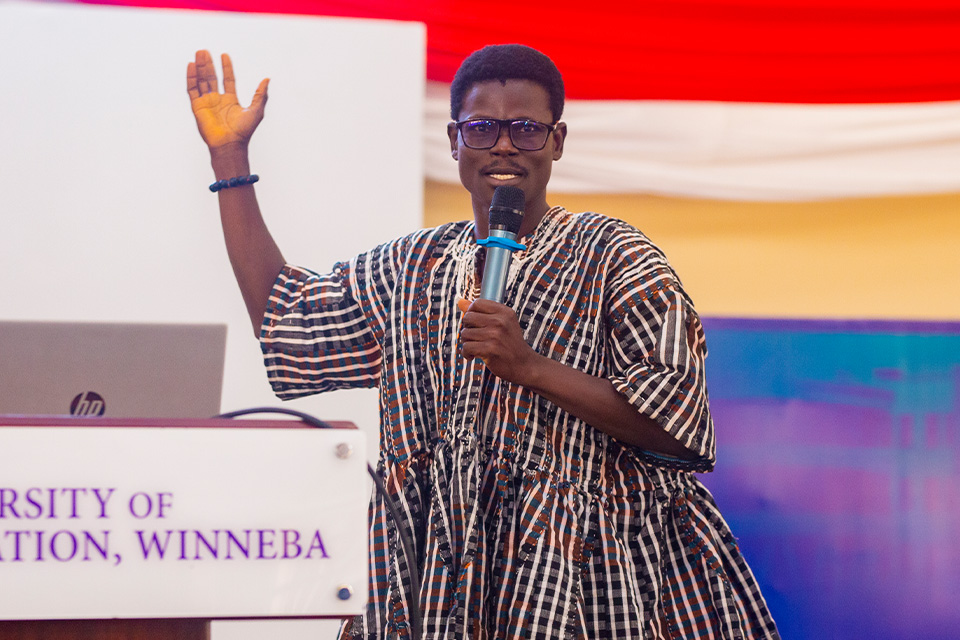
Participants were further taken through practical guidelines on research design, data collection and methodological coherence by Prof. Peter Akayuure of the Department of Mathematics Education. Using interactive digital tools, he demonstrated how appropriate sampling strategies influence the validity and credibility of research outcomes, stressing that poorly defined populations and samples undermine the trustworthiness of findings. He encouraged students to embrace innovative tools such as online surveys and data visualisation platforms to enhance research efficiency and accuracy.
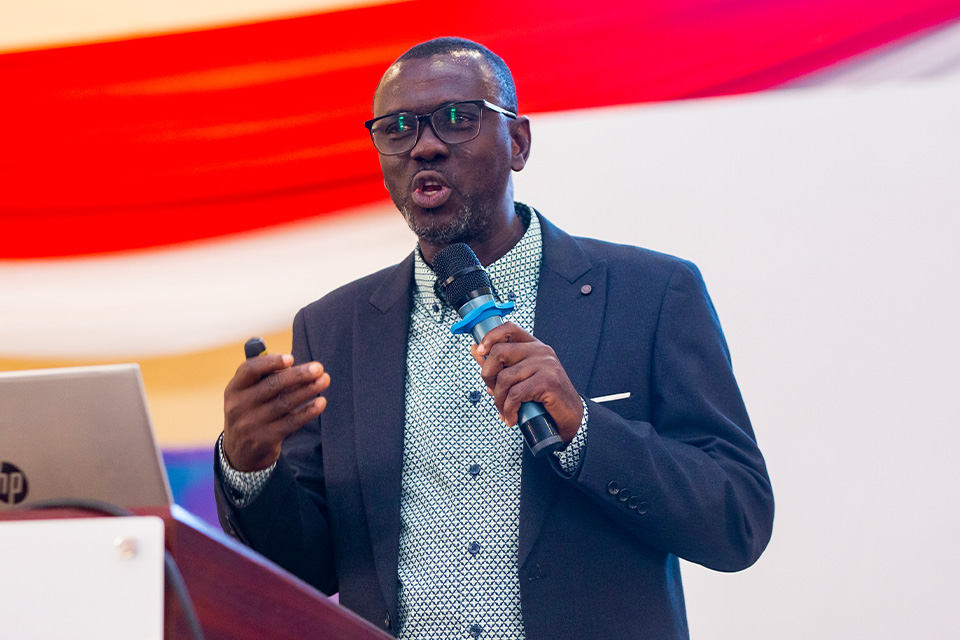
In a presentation on advanced research paradigms, Dr. Richard Asumadu Oppong of the Department of Mathematics explained that a researcher’s worldview significantly shapes research approach and design. He emphasised that understanding one’s philosophical orientation enables researchers to make informed methodological choices and engage meaningfully with supervisors and reviewers. He added that flexibility across paradigms is often necessary, particularly in complex educational research contexts.
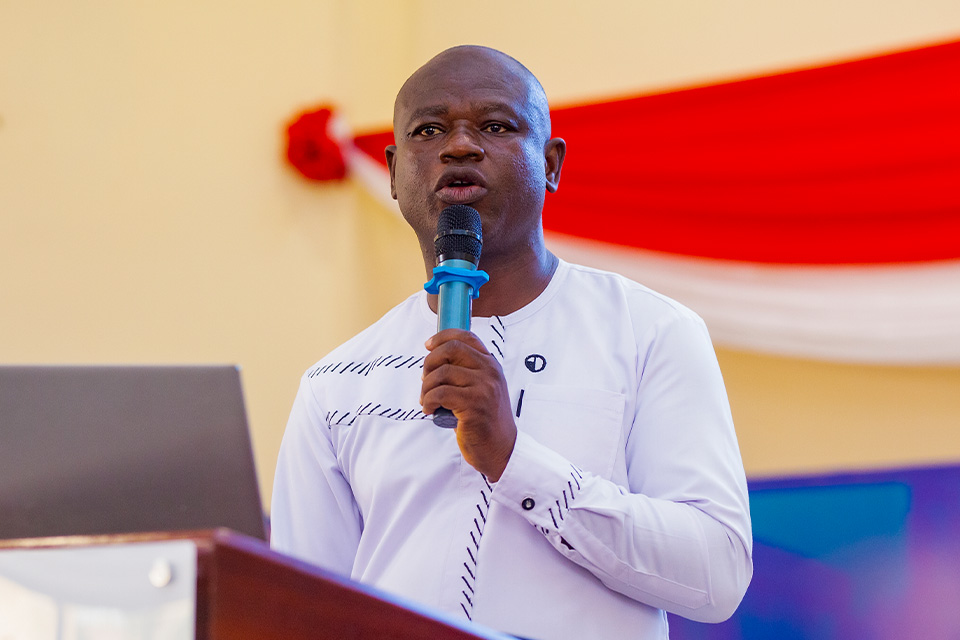
Addressing the integration of mixed research methods, Dr. Boniface Yaayin, a Lecturer at the Department of Chemistry Education, highlighted the limitations of relying solely on qualitative or quantitative approaches. He argued that combining both methods allows researchers to capture the complexity of educational phenomena, noting that numerical data alone often fails to explain underlying attitudes, motivations and behaviours in learning environments.
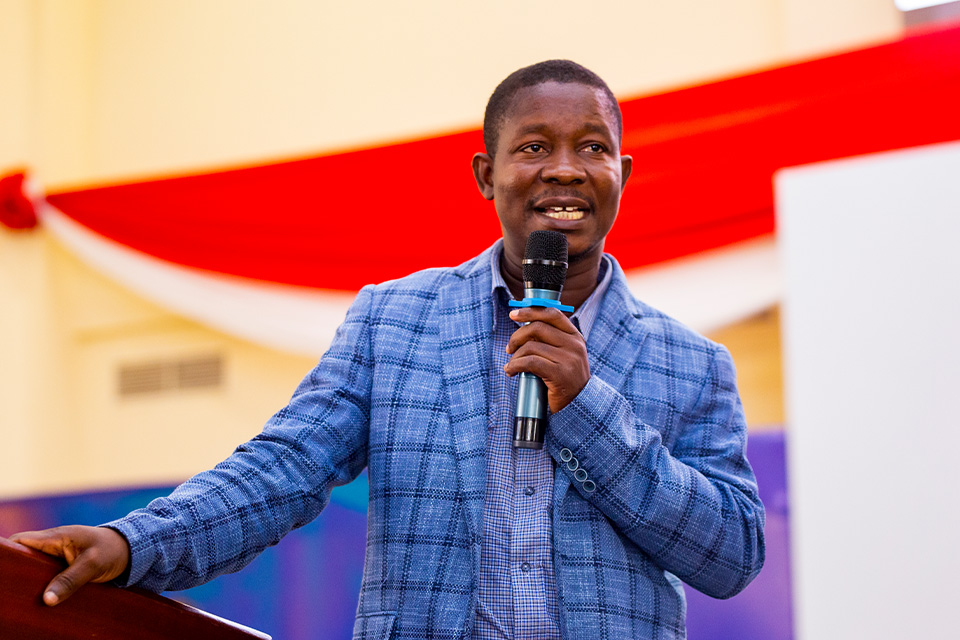
The workshop also included a detailed session led by Dr. Philip Siaw Kissi from the Department of Management Sciences, who guided participants on how to move beyond merely presenting results to engaging in meaningful discussions of findings. He emphasised the importance of linking findings to existing literature, theory and context while clearly articulating practical, policy and institutional implications. According to him, well-interpreted findings bridge the gap between research and real-world application, thereby enhancing the relevance and impact of academic work.
Throughout the sessions, participants were encouraged to uphold ethical standards, ensure data integrity and adopt structured approaches to research planning and execution. The workshop formed part of UEW’s broader strategy to build the research capacity of its postgraduate community and promote scholarly output that meets international standards.
The engagement concluded with interactive discussions and reflections, leaving participants better equipped to undertake rigorous research and contribute meaningfully to knowledge production in education and related disciplines.