DISE-UEW Hosts “ChemyDrama” Festival at SWESCO


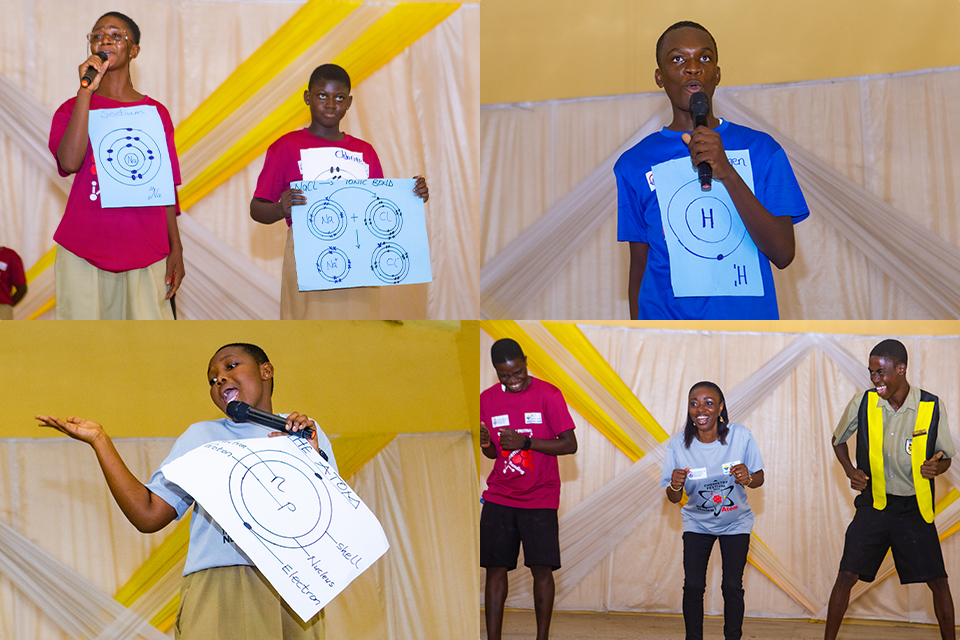
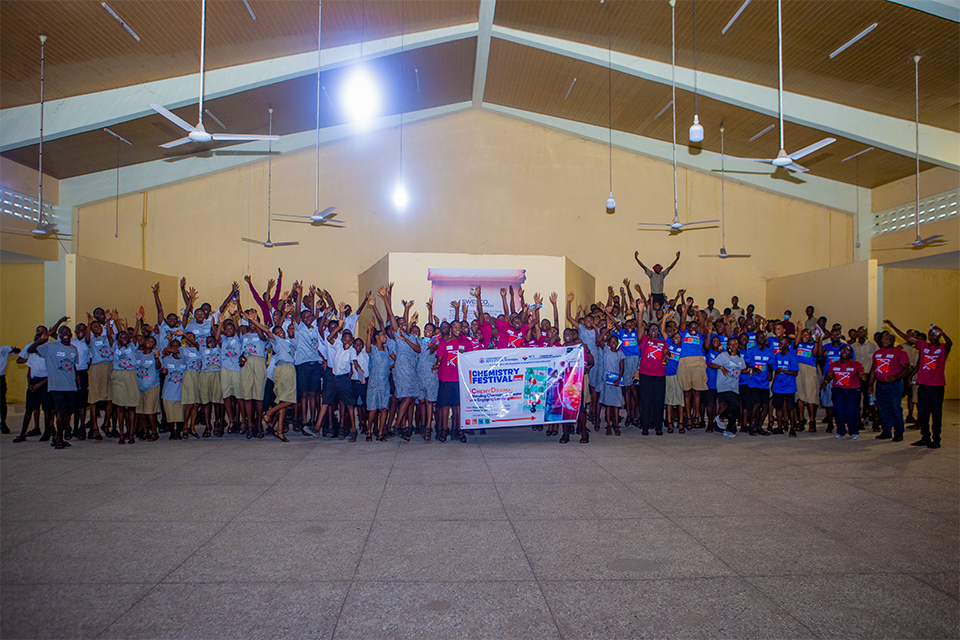
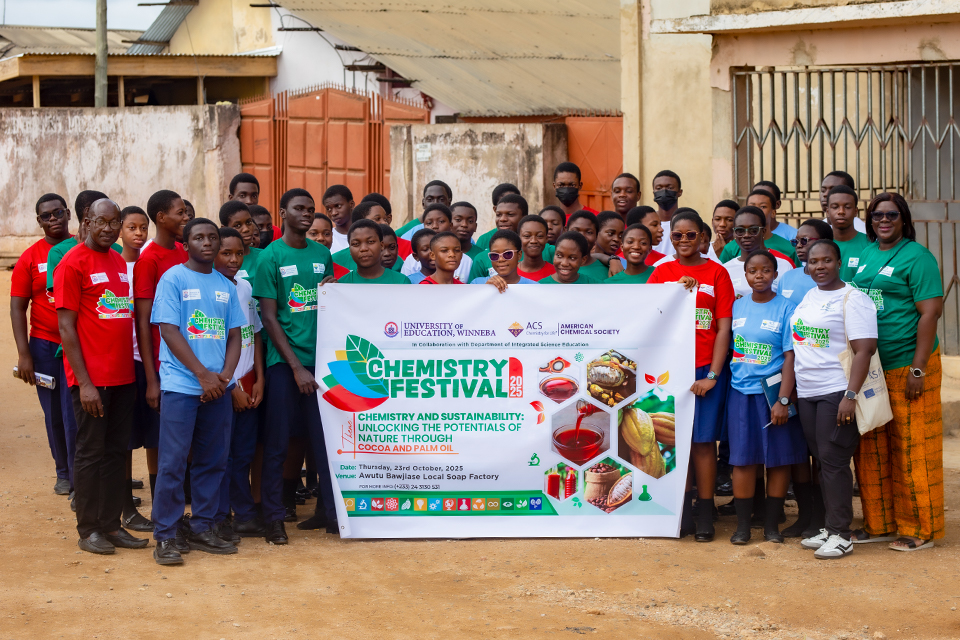
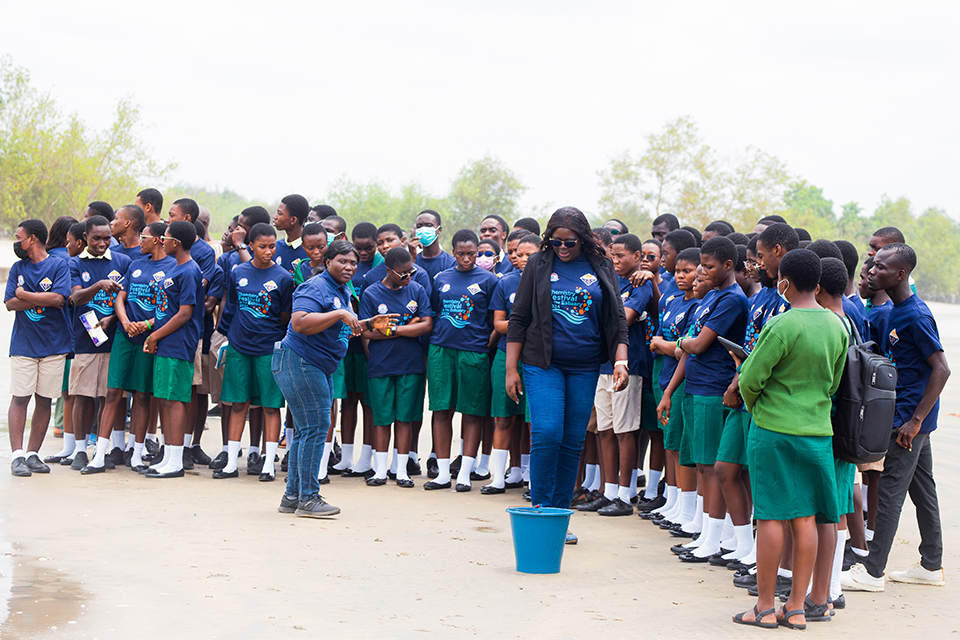
The Department of Integrated Science Education of the University of Education, Winneba (UEW) on Thursday, 13th November, 2025, held an engaging Chemistry Festival at Swedru Senior High School (SWESCO) as part of its ongoing efforts to make the teaching and learning of science more interactive and innovative.
The festival, organised under the theme “ChemyDrama: Blending Chemistry and Theatre for Engaging Learning,” brought together faculty members, teachers, science students and partners for an intriguing learning experience.
Supported by the American Chemical Society (ACS), the festival featured three student-led drama performances that creatively illustrated complex chemistry concepts, including the periodic neighbourhood, the structure of the atom and chemical bonding.

Welcoming participants, Dr. Charity Esenam Anor, Project Lead and Coordinator, emphasised the department’s commitment to transforming science education through creative pedagogies. She explained that the ChemyDrama concept was born out of the need to make scientific ideas less abstract and more relatable to learners through storytelling, performances and emotional engagement.
“Chemistry is often perceived as abstract or difficult but through drama and storytelling, we can bring each concept to life—transforming atoms, bonds, and periodic relationships into characters and plots which students connect with emotionally and intellectually,” she stated. She emphasised that the approach not only enhanced understanding but also strengthened communication, teamwork and critical thinking among learners.
Dr. Charity Anor thanked the American Chemical Society for funding the initiative and acknowledged the teachers, volunteers and students for contributing to a vibrant learning environment. She urged participants to recognise science and the arts as complementary forces capable of inspiring creativity, curiosity and sustainable thinking.
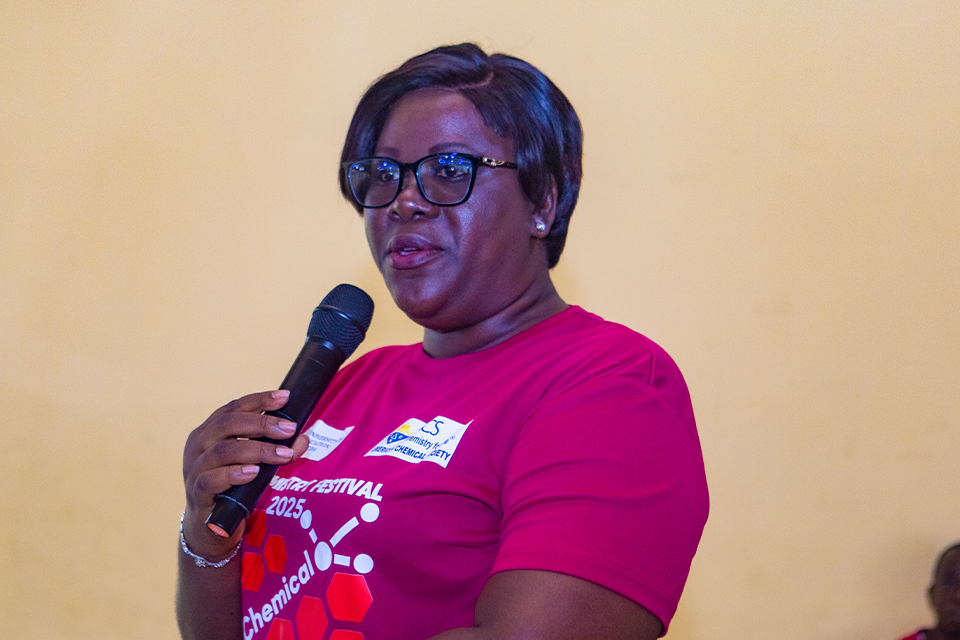
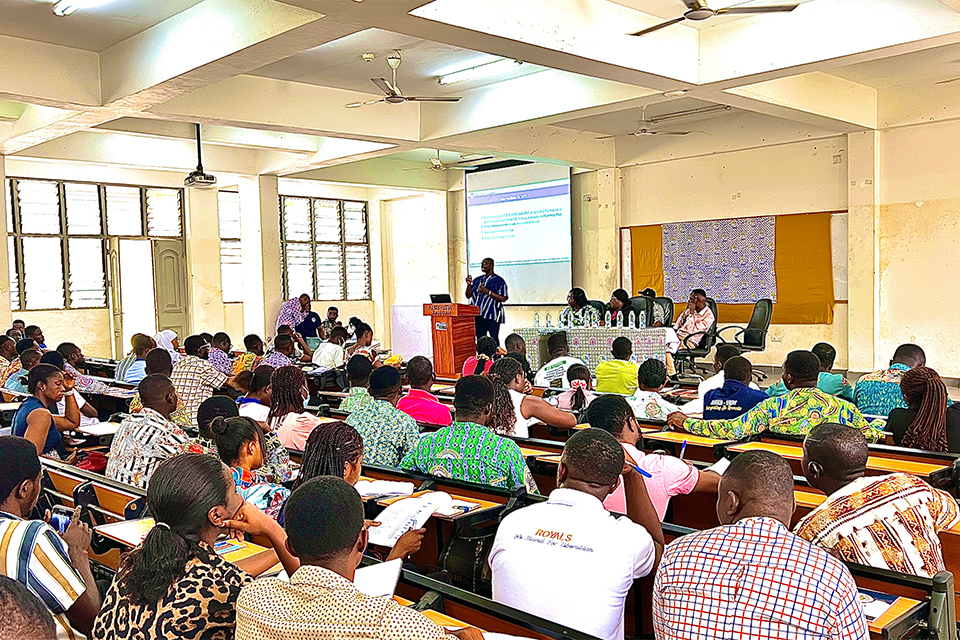
Delivering the keynote lecture, Dr. Nelly Adjoa Sakyi-Hagan, Head of DISE, UEW, highlighted the urgent need for young people to embrace STEM as a tool for driving environmental sustainability and national development. She lauded SWESCO for its achievements and encouraged students to see themselves as future scientists, innovators and leaders.
Her presentation, titled “Building a Sustainable World Using STEM for a Greener Future,” explored the meaning of sustainability, human impacts on the environment and how STEM can provide practical solutions such as water filtration systems, renewable energy technologies, recycling innovations and climate-smart engineering.
Dr. Nelly Sakyi-Hagan used relatable analogies from biology to illustrate how individual behaviour affects the broader ecosystem. Just as a single malfunctioning cell can endanger an entire organism, she stressed that personal actions, whether responsible or harmful, collectively impact the environment. She cautioned students against improper waste disposal, plastic pollution, deforestation and unsustainable practices that contribute to climate change, flooding and rising temperatures.
She urged students to cultivate innovative mindsets, explore STEM projects and take up leadership roles in addressing environmental challenges. “If you think you are too small to make a difference, try sleeping in a room with a mosquito,” she remarked, inspiring laughter and reflection.
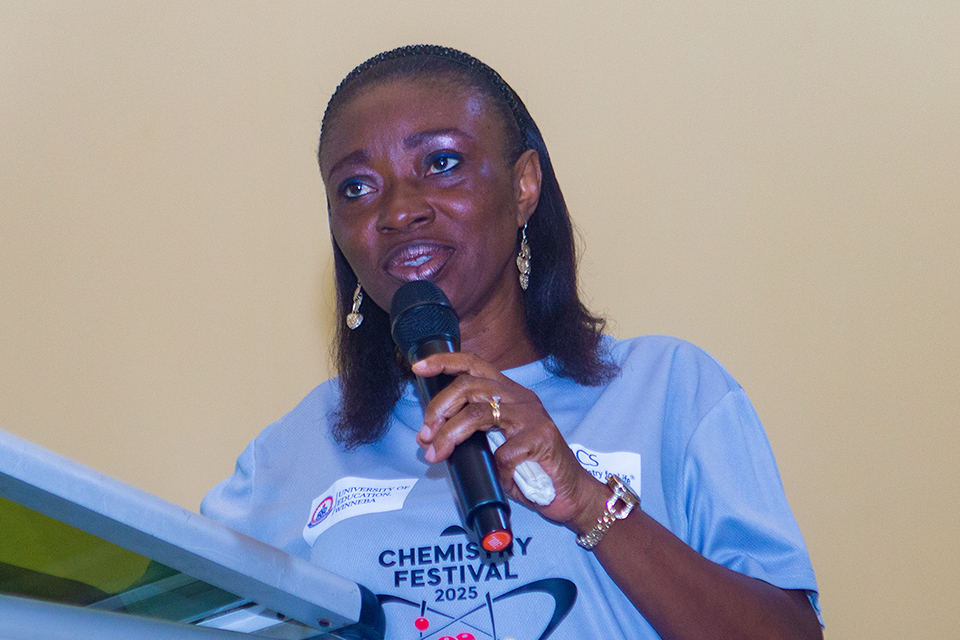
Mrs. Golda Esi Andam, Head of SWESCO, expressed appreciation to UEW for selecting SWESCO as the host of the 2025 Chemistry Festival. She described the opportunity as an honour and a demonstration of the school's commitment to academic excellence.
She shared a brief history of the institution, noting that it was the first school established after Ghana’s independence in 1959 and the only one personally planned and supported by Dr. Kwame Nkrumah. This heritage, she said, inspires the school’s motto of hard work, discipline and continuous pursuit of knowledge. Mrs. Golda Andam encouraged students to fully engage in academic activities, participate in discussions, take notes and ask questions to maximise the learning benefits of such programmes.
Reflecting on the day's activities, she described the festival as highly educational and interactive, praising the drama performances and the sustainability lecture for presenting scientific knowledge in accessible and entertaining ways. She pledged the school’s readiness to host similar programmes in the future.
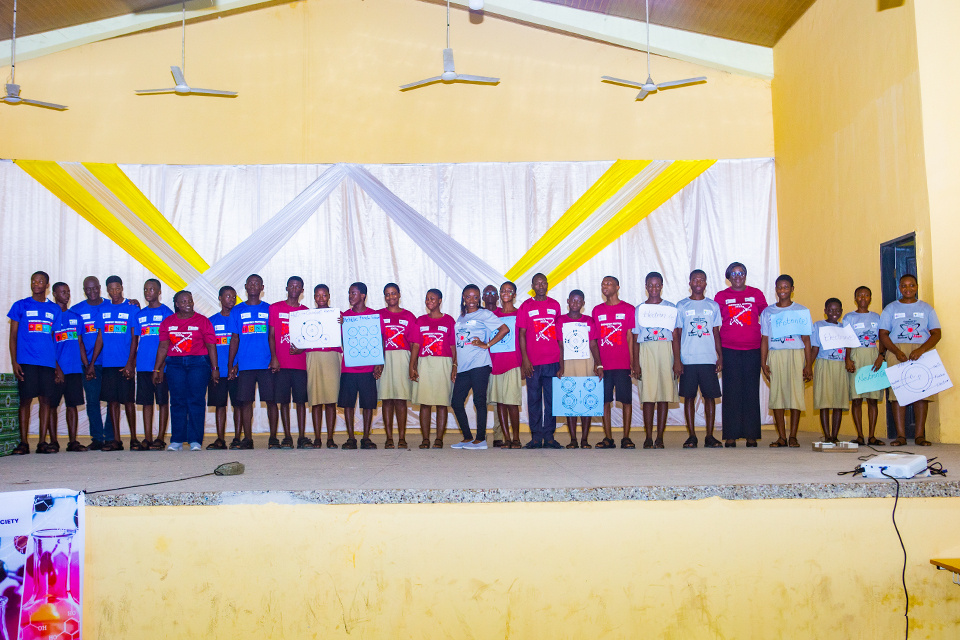
Students who participated in the festival expressed excitement about the new approach to learning chemistry. One student noted that he learned about the three main types of chemical bonding—ionic, metallic, and covalent—and gained a clearer understanding of how metallic bonds form. Another student highlighted learning about Dmitri Mendeleev, the Russian chemist who created the periodic table, as well as the presence of hydrogen on Earth and in the sun.
The drama sketches, they said, helped simplify concepts that often feel abstract in the classroom, making learning more enjoyable and memorable.
The 2025 ChemyDrama Festival demonstrated UEW’s leadership in promoting innovative, learner-centred science education. Through a vibrant blend of drama, STEM dialogue and community engagement, the event empowered students with knowledge, creativity and a renewed commitment to environmental stewardship.